
ERP conversations tend to focus on features, implementations, and timelines. But step back, and a bigger question starts to emerge:
What happens when the way people actually work doesn’t match the way software is designed?
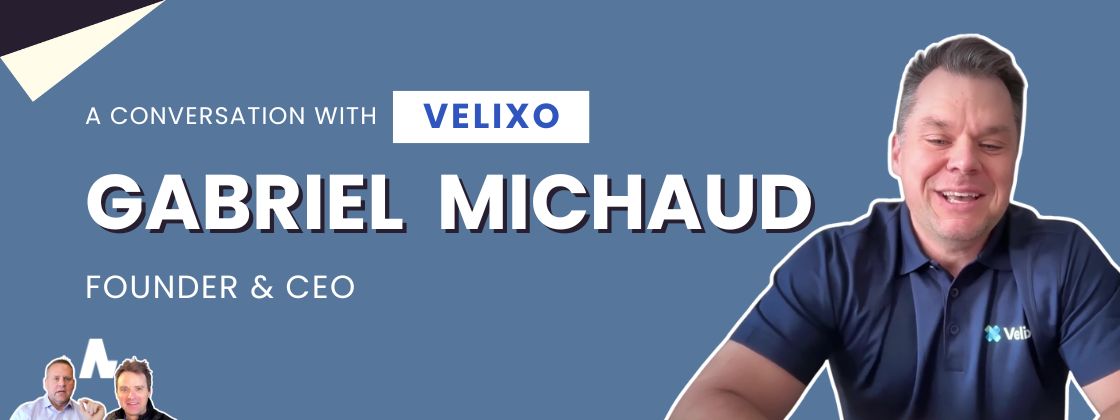
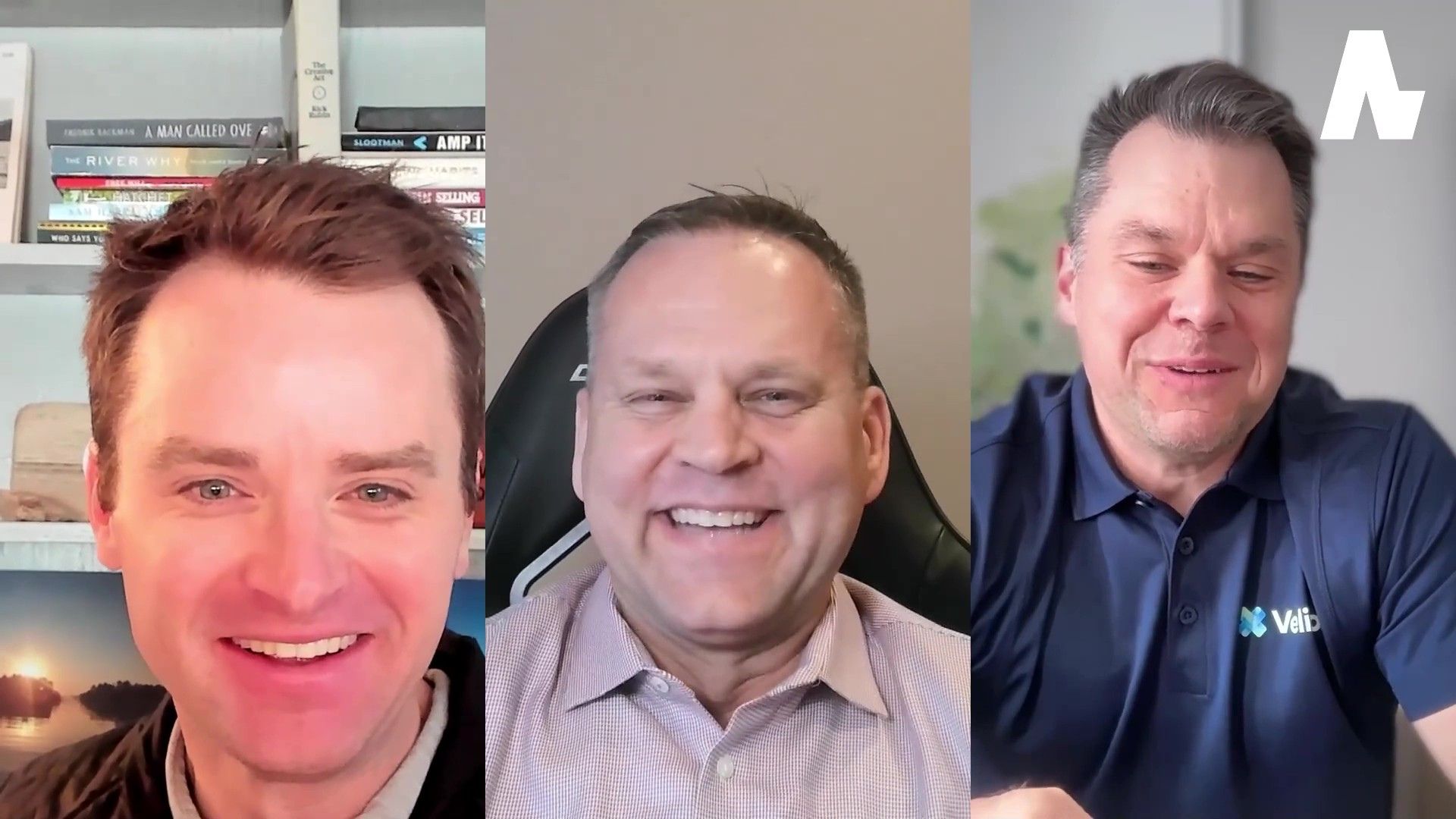
In our latest AVT Podcast episode, we sat down with Velixo CEO Gabriel Michaud and the conversation quickly moved beyond product talk. What stood out wasn’t just the technology. It was the mindset behind building something that lasts in a space that’s constantly shifting.
The best solutions don’t fight user behavior
One theme came up again and again: people will always gravitate toward tools they understand.
For decades, that’s been Excel.
Not because it’s perfect, but because it’s flexible, familiar, and adaptable to real-world workflows. Despite major investments in ERP reporting tools, teams still export data, reshape it, and build what they need outside the system.
That’s not resistance. It’s a signal.
As Gabriel shared, the winning approach isn’t to force users into rigid systems, it’s to meet them where they are and extend the tools they already trust.
AI isn’t just improving software — it’s challenging its existence
There’s no shortage of AI conversations right now. But this one cut through the noise.
The biggest risk isn’t that AI will make ERP systems better.
It’s that it could make entire categories of software… unnecessary.
As agents become more capable, they won’t just assist with tasks, they’ll execute them. That raises real questions about how businesses interact with systems like ERP, reporting tools, and even platforms like Microsoft Office.
At the same time, not everything disappears. Some tools, especially those that are flexible and deeply embedded in how people work, may prove more resilient.
The takeaway for us (and our clients): this isn’t about chasing every new feature. It’s about understanding where real value lives, and how quickly that can shift.
Building something that lasts requires more than a good idea
Gabriel’s story is a reminder that there’s no clean path to building a successful product.
From coding as a kid to launching and scaling a global software company, the throughline wasn’t a perfect strategy, it was consistency, curiosity, and grit.
A few takeaways that resonated:
- Early ideas won’t scale the way you expect (and that’s okay)
- Customer behavior will tell you more than your roadmap
- Free doesn’t equal value, pricing shapes perception
- Support and trust matter just as much as the product itself
These are lessons we see play out every day across ERP implementations. The technology matters, but long-term success is driven by how well it aligns with people, process, and expectations.
The role of partners is evolving, too
As tools evolve, so does the role of a partner.
It’s no longer just about implementing a system. It’s about helping businesses navigate:
- Where to standardize vs. where to stay flexible
- How to layer in new capabilities (like AI) without disrupting what works
- How to build processes that scale alongside the technology
Because in a landscape where change is constant, the goal isn’t just to “go live.”
It’s to stay adaptable.
Final thought
There’s no playbook for what’s coming next in ERP, AI, or enterprise software as a whole.
But if there’s one constant, it’s this: the solutions that win will be the ones that respect how people actually work, not how we think they should work.
Listen to the full conversation with Gabriel Michaud on the AVT Podcast
The right foundation for your next stage of growth
Our team of experts is here to help guide you every step of the way. Let’s start your ERP journey today!