
Visa’s Commercial Enhanced Data Program (CEDP) is reshaping how B2B payments are processed, priced, and validated. The program rolls out through 2025 and is fully enforced by April 17, 2026. To maintain optimal interchange rates, merchants will need complete, accurate enhanced data.
On the surface, this looks like a compliance update. In reality, it’s a shift in how finance teams need to think about payments, data, and operations.
What is Visa’s Commercial Enhanced Data Program (CEDP)?
CEDP is Visa’s updated framework for how enhanced transaction data is submitted, validated, and qualified for lower interchange rates.
If you’ve worked with Level 2 or Level 3 processing, the concept is familiar: provide more data, earn better rates. What’s changed is how that data is evaluated.
With stricter validation and data integrity checks, Visa now expects transaction data to be accurate, complete, and consistent. Placeholder values and “check-the-box” approaches no longer qualify.
The goal is simple: reduce fraud and improve transparency in B2B transactions.
Level 2 and Level 3 were originally designed to give issuers more context–invoice numbers, tax amounts, line items–so they could better assess risk. Over time, that intent drifted. Many businesses learned how to “game” the requirement.
CEDP resets the standard.
What data is now required under CEDP?
CEDP introduces more comprehensive and detailed enhanced data requirements, including:
- Product descriptions and quantities
- Unit costs and extended amounts
- Tax information and freight costs
- Merchant and supplier tax IDs
- SKU numbers and item codes
- Line-item details for every product or service
This is AI being applied in a practical way. Visa's validation technology can identify generic descriptions, placeholder data, and artificially generated content.
The data must be real, accurate, and descriptive of the actual products or services being sold.
No shortcuts. Just usable data.
How does CEDP impact interchange fees?
With Level 2 discounts sunsetting by April 17, 2026, interchange rates are now directly tied to how well transactions meet CEDP requirements. The table below shows the rate difference between verified and non-verified merchants across Visa business card tiers:
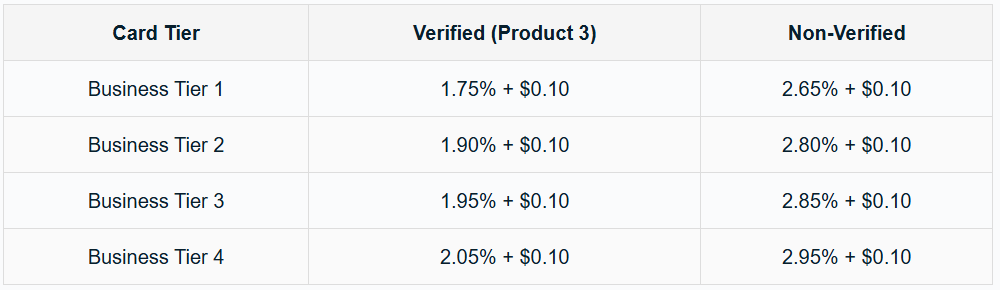
For businesses processing large B2B volumes, the cost impact can be significant. And many expect Mastercard to follow with similar requirements.
As Paul Breault, Vice President of Technical Solutions at Nuvei, puts it:
“I’ve seen folks save $30,000 or $40,000 in interchange fees just by ensuring they are following the rules.”
What should finance leaders do now?
This isn’t just a rule change, it’s an opportunity to rethink your accounts receivable workflow.
Start with a few key questions:
- Where is payment data coming from?
- How many systems are involved?
- How much of the process still depends on manual work?
If your team is stitching together ecommerce payments, invoice payments, and card activity manually, now is the time to reassess.
How can payment solutions help B2B businesses?
With the right payment solutions, especially those that integrate with ERP systems like Sage Intacct or Microsoft Dynamics 365 Business Central–the benefits extend far beyond interchange savings:
- Cash flow management: faster reconciliation and cleaner data improve visibility into what’s paid, outstanding, and expected.
- Customer experience: payments are part of the customer journey. Cleaner processes mean fewer delays, fewer errors, and less friction.
- Operational resilience: processes built on structured, accurate, data scale better and adapt faster as requirements evolve.
Where to start? Reach out to the AVT team to evaluate your current payment workflows, run a CEDP readiness assessment, and identify the solutions that best fit your business.
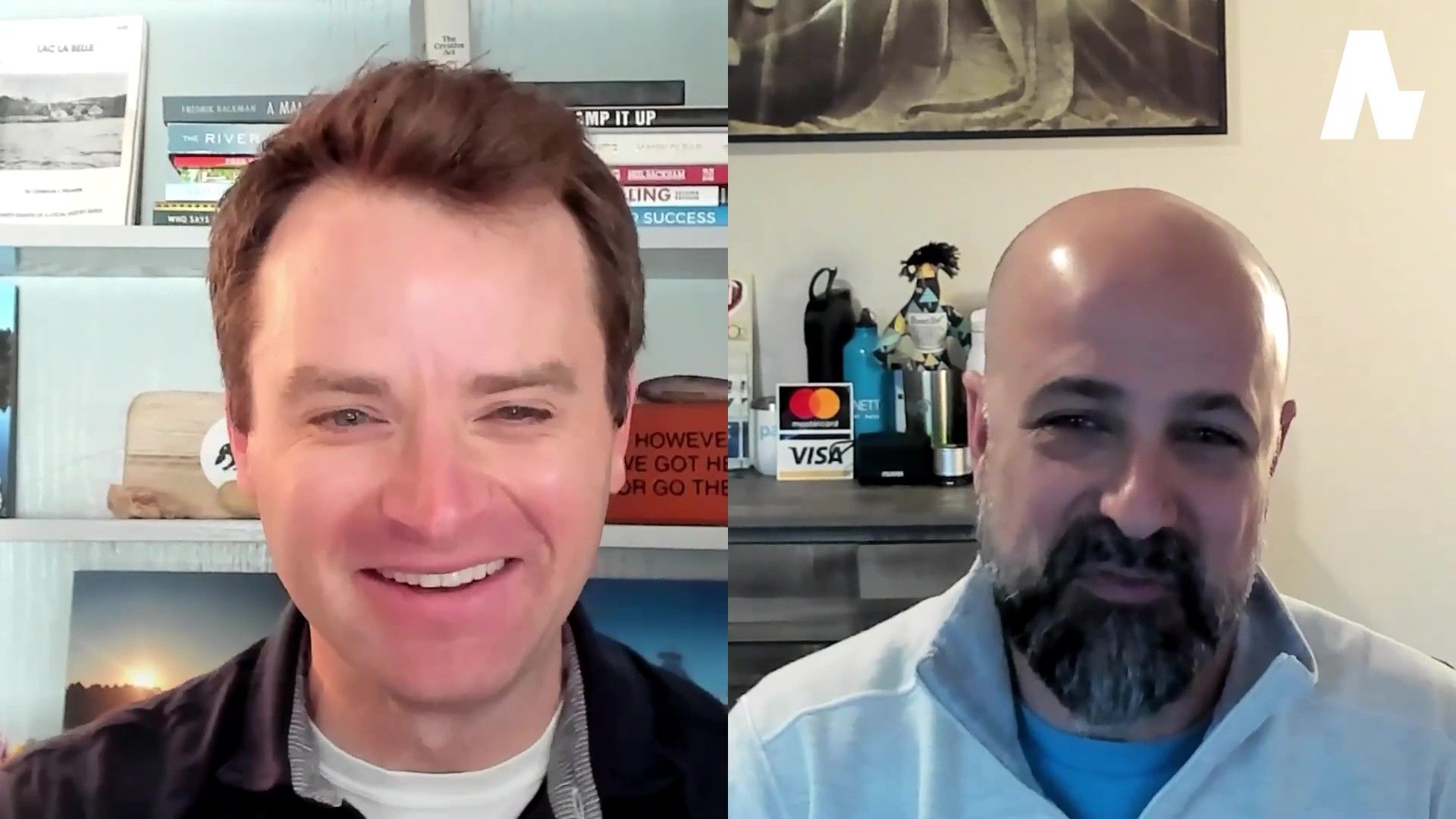
Full podcast with Paul Breault at Nuvei
From leading payment solutions across ERP ecosystems to navigating real-world B2B payment challenges, Paul brings a practical lens to what all of this looks like in action.
We cover complex payments, PCI, and where B2B payment infrastructure is heading next, grounded in real use cases (including customizing a robot).
🎧 Watch the full podcast here.

The right foundation for your next stage of growth
Our team of experts is here to help guide you every step of the way. Let’s start your ERP journey today!