
I’ve been through the PEO (Professional Employer Organization) search before, and it can be confusing. At first glance, they all seem to say the same things: similar services, similar promises, similar language.
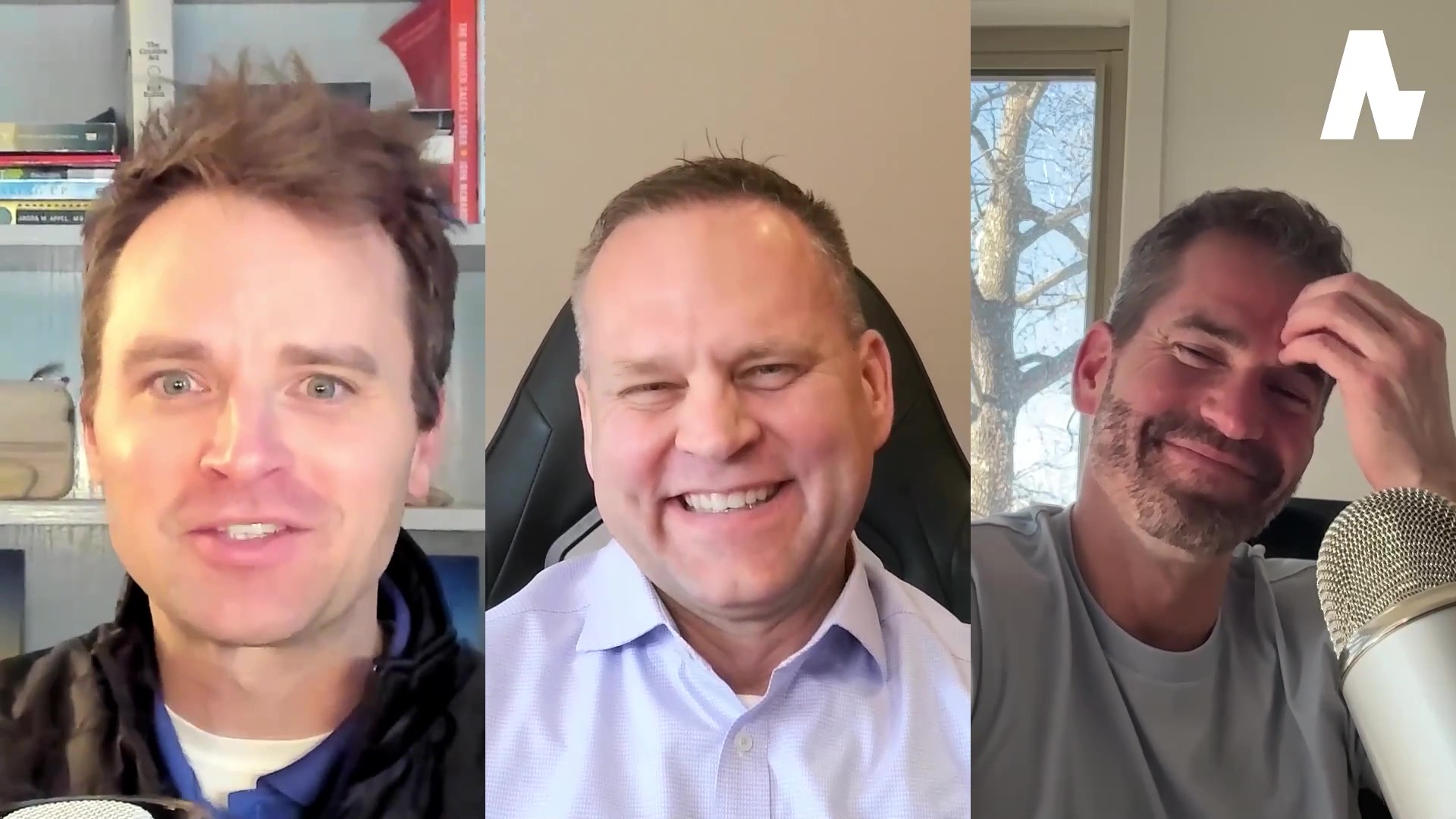
Recently, I sat down with Ryan Shapiro, President and Found of PEOMG, and Mike Petroskey our CRO on the AVT Podcast to unpack this topic. The conversation reinforced something I learned early in my career: decisions around people and payroll are never just operational. They are foundational.
I’m writing this for our customers — founders, CFOs, and operators — because many of you will face this decision at some point. And it’s bigger than it looks.
Payroll: your largest uninsured expense
Your payroll is your largest uninsured expense. That’s true whether you’re a construction company or a five-person professional services firm.
Payroll represents people, liability, compliance exposure, and long-term obligations. Most business owners don’t think of it as risk until something goes wrong.
The regulatory environment continues to get more complex. Add remote employees across states, shifting healthcare costs, and evolving labor laws and it becomes clear that managing people isn’t just operational. It’s strategic.
I remember plenty of nights wondering: Did I miss something? Did I think this through enough?
A PEO can relieve much of that burden. When structured correctly, it can be incredibly powerful. But it can also be disruptive if you choose the wrong one.
Understanding the PEO model
At its core, a PEO enters a co-employment relationship with your company. In practical terms, they help manage:
- Payroll and payroll administration
- HR systems and employee lifecycle management
- Compliance oversight
- Benefits administration, including health insurance
- Risk management support
For many small to mid-sized companies, this model can unlock access to stronger benefits, better systems, and deeper compliance resources than they could build internally.
The model works. The challenge is choosing the right partner.
Why companies choose the wrong PEO
Most companies don’t choose the wrong PEO because they’re careless. They choose wrong because the process itself works against clarity. Here’s what typically happens:
- Search behavior: Leaders start with web search. They review a handful of providers listed on the first few pages of search results.
- Everything sounds the same: Payroll, benefits, compliance, HR technology. The language overlaps, marketing messages look nearly identical. Differentiation is difficult to spot.
- Evaluation fatigue: The process becomes long and data-heavy. Meetings stack up. By the end, leaders simply want to make a decision and move on.
- Default to pricing psychology: When options feel similar, many buyers gravitate toward the second most expensive choice. It feels safe. Not the cheapest. Not the most expensive. Just “about right.” That pricing psychology does not guarantee alignment.
I’ve seen the same pattern in ERP evaluations. When clarity fades, decisions default to simplification.
How to choose the right PEO
Alignment is the key, and that requires a deeper look at your organization. Consider:
- Your company’s culture
- The subcultures inside departments
- Your leadership style
- Your risk tolerance
- Your growth plans
- Whether you want to fully outsource HR or support an internal team
Sales teams operate differently than technology teams. Operations views risk differently than leadership. A PEO will interact with all of these dynamics, so alignment matters. A structured evaluation, often with help from a strategic advisor like PEOMG, makes it easier to identify the right fit early.
When should you consider a PEO?
Years ago, the informal benchmark might have been 10 employees. Today, that number has shifted.
With compliance complexity and healthcare volatility, even a five-employee organization can benefit from infrastructure that protects both the business and the team.
This isn’t about size alone. It’s about complexity, exposure, and where leadership wants to spend its time.
For many entrepreneurs, HR becomes something handled late at night — after the “real work” is done. That’s not sustainable long term.
Questions to consider before engaging a PEO
If you’re evaluating a PEO or thinking about it, slow down the decision. Ask:
- What problem are we solving?
- Are we looking for cost savings or structural support?
- How will this impact our people’s experience?
- Does this partner align with how we lead?
This is a foundational decision. Treat it accordingly.
Watch the full conversation
In business, there are deals that feed your family. And there are decisions that feed your soul.
At AVT, we believe in long-term partnership over transactions. Sometimes the right answer for a customer is not the one that benefits us immediately. But it builds trust. And trust compounds.
If this topic resonates, I encourage you to watch the full podcast episode. We go deeper into what a PEO can (and cannot) help with, how to think about alignment, and where AI can support better human decision-making.


The right foundation for your next stage of growth
Our team of experts is here to help guide you every step of the way. Let’s start your ERP journey today!