
“What we really want is predictability. The ability to make better decisions today for tomorrow.”
That reflection from Mike Petroskey during our recent AVT Executive Podcast captures a leadership challenge many nonprofit and finance teams experience. Budgeting is often treated as an annual requirement. In practice, it influences hiring decisions, program investments, technology priorities, donor conversations, and board confidence.
As organizations grow, the question shifts. It is no longer whether you have a budget. It is whether your budgeting process supports leadership.
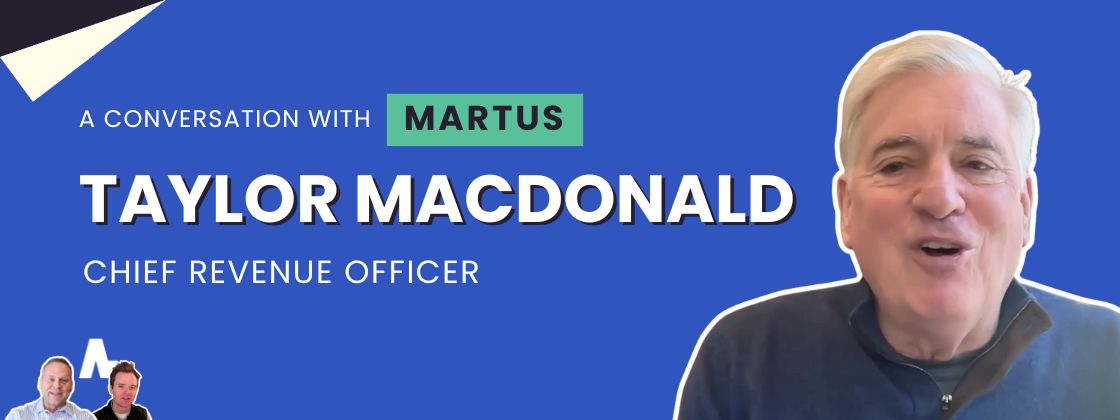
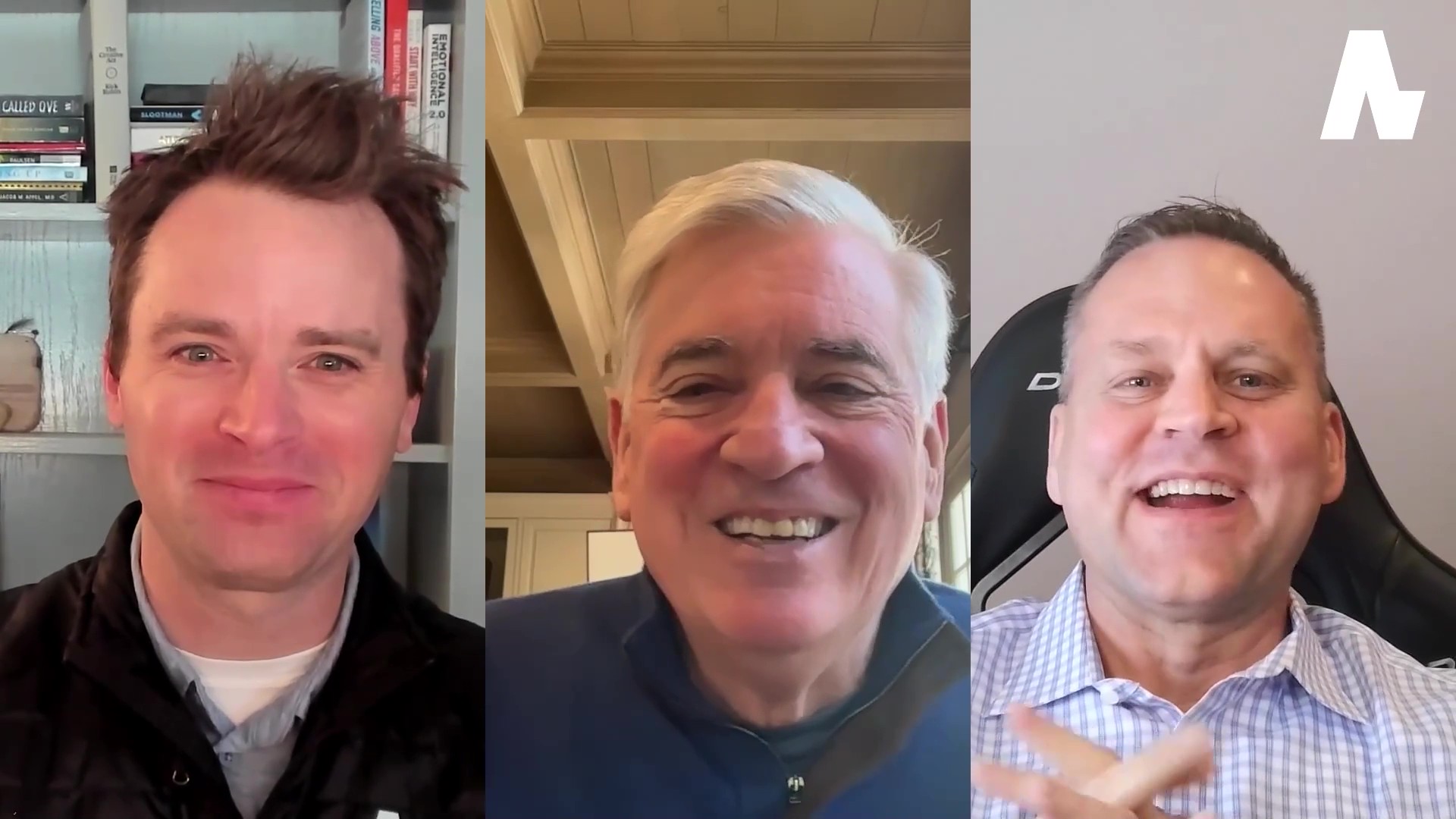
In our conversation with Taylor McDonald, Chief Revenue Officer at Martus, we explored when spreadsheets work, when they begin to slow leadership, and how nonprofits can build stronger forecasting and operational clarity.
Who should use a one-page spreadsheet budget and what to include?
For smaller nonprofits or early-stage organizations, a one-page spreadsheet budget can go a long way. This approach is a good fit if your organization has:
- One primary location
- Limited departments or programs
- Straightforward revenue streams
- A small team contributing to the budget
To gain visibility and control, Taylor recommended including two foundational views:
- Budget versus actual reporting, so leadership can understand performance against plan
- Cash flow forecasting, so the organization can sustain operations as revenue arrives
When does spreadsheet budgeting start to slow leadership?
The pressure begins when growth introduces complexity.
- Multiple grants with restrictions
- Additional campuses or departments
- More funding sources
- A growing headcount with layered compensation structures
At that stage, the spreadsheet expands from one page to many tabs, linked formulas, and manual consolidations. The process becomes more fragile and more time-consuming. That is often the first signal that budgeting needs to evolve.
Here are five common signs:
- Version control consumes time.
Teams spend energy reconciling files rather than analyzing results. - Personnel planning becomes difficult to model.
Raises, promotions, benefits, and new hires require increasingly manual assumptions. - Multi-entity or multi-program consolidation is manual.
Aggregating budgets across departments, campuses, or funds requires extensive effort. - Scenario planning disrupts the model.
Adjusting assumptions means rebuilding formulas instead of running structured comparisons. - Board reporting focuses on what happened, not what’s ahead.
Leadership presents historical results but struggles to model future impact.
For museums, faith-based organizations, associations, and other nonprofits operating across programs and funding sources, these challenges surface quickly. Growing mid-market businesses experience similar friction as complexity increases.
The limitation is not discipline. It is that static tools struggle to scale alongside dynamic operations.
How do nonprofits build predictability when revenue timing is uncertain?
Nonprofits operate within a financial environment shaped by donor commitments, grant cycles, fundraising campaigns, and broader economic shifts. Even when annual revenue targets are met, timing differences can create operational strain.
Predictability becomes essential. Leadership teams need the ability to model scenarios such as:
- What happens if a major donor delays a contribution?
- How does a funding shortfall affect hiring plans?
- What adjustments are required if a new program launches later than expected?
Rolling forecasts and structured scenario planning allow organizations to evaluate these questions in advance rather than reacting after the fact.
As Taylor shared:
“The windshield is bigger than the rearview mirror for a reason. We should be spending far more time looking forward than backward.”
Forecasting does not remove uncertainty. It strengthens leadership response.
What tools turn finance data into strategic insight?
For many nonprofits and growing organizations, Sage Intacct serves as the financial system of record. It provides dimensional reporting, multi-entity visibility, and scalable cloud-based workflows that support increasing complexity.
When development teams need tighter alignment between fundraising and finance, organizations increasingly adopt Sage Intacct Fundraising powered by DonorPerfect. This integration connects donor activity directly to financial reporting, helping reduce manual reconciliation between development and accounting teams while improving transparency into funding sources.
As planning needs expand, organizations often add a structured budgeting and forecasting layer. That is where Martus Solutions fits.
Integrated with Sage Intacct, Martus enables organizations to:
- Build dimensional budgets aligned to departments, locations, programs, or funds
- Consolidate planning across entities without manual spreadsheet merging
- Manage version control and track changes with greater discipline
- Model detailed personnel planning, including compensation and benefits
- Run rolling forecasts and compare multiple scenarios
- Deliver forward-looking dashboards that support board and executive decisions
Together, these tools shift finance from static reporting to structured planning.
How does operational efficiency support better planning?
Modern planning depends on efficient operations underneath it.
When finance teams are burdened by manual approvals, paper checks, fragmented reporting, or repetitive reconciliation, their capacity for forecasting and analysis shrinks. Operational efficiency is not simply about saving time. It creates space for strategic thinking.
You can see this shift across nonprofits AVT has supported:
- Charles H. Wright Museum improved financial processes and reduced friction in day-to-day operations, enabling stronger oversight and reporting.
- Detroit PBS reduced paper checks by 89 percent, removing manual bottlenecks and improving payment efficiency.
- Lambda Chi Alpha centralized reporting across more than 70 funds, improving visibility and reducing manual entry.
Operational improvements create the foundation that allows budgeting and forecasting to function as leadership tools rather than administrative burdens.
The perspective behind the conversation
Taylor brings decades of experience across finance systems and planning, including building one of the largest Sage partner organizations and helping scale the Intacct channel during a pivotal growth period.
In this episode, he connects that operator’s perspective with a genuine passion for mission-driven work, sharing examples ranging from Atlanta’s Fox Theatre to grassroots nonprofits like Flying Fur and Raising Men.
🎧 Watch the full AVT podcast here.



The right foundation for your next stage of growth
Our team of experts is here to help guide you every step of the way. Let’s start your ERP journey today!